| Copal Tree| Village Styles| Myth & Nature| Vault| Sales Gallery| Rough Guide| Collectors |
|
|
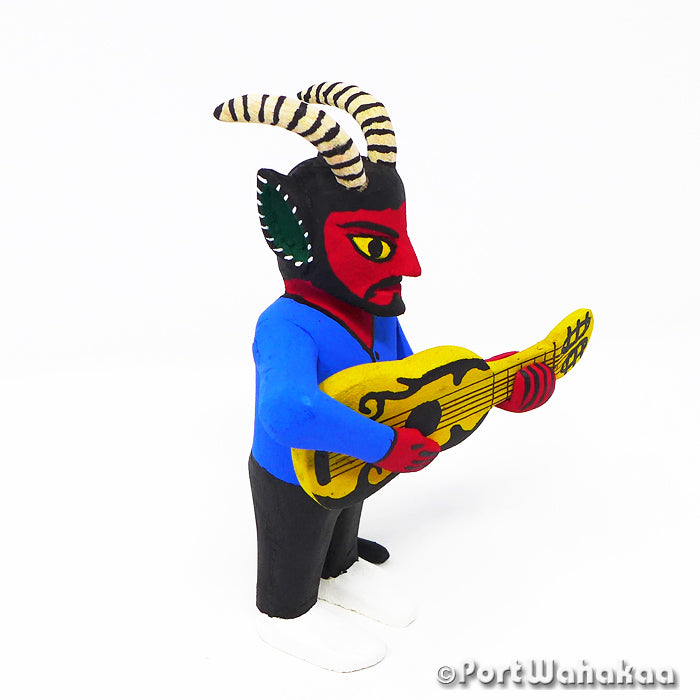
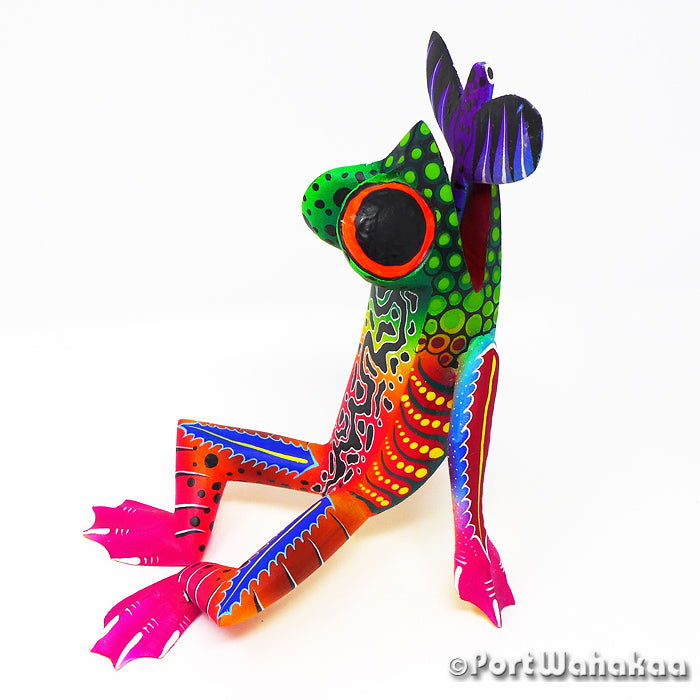
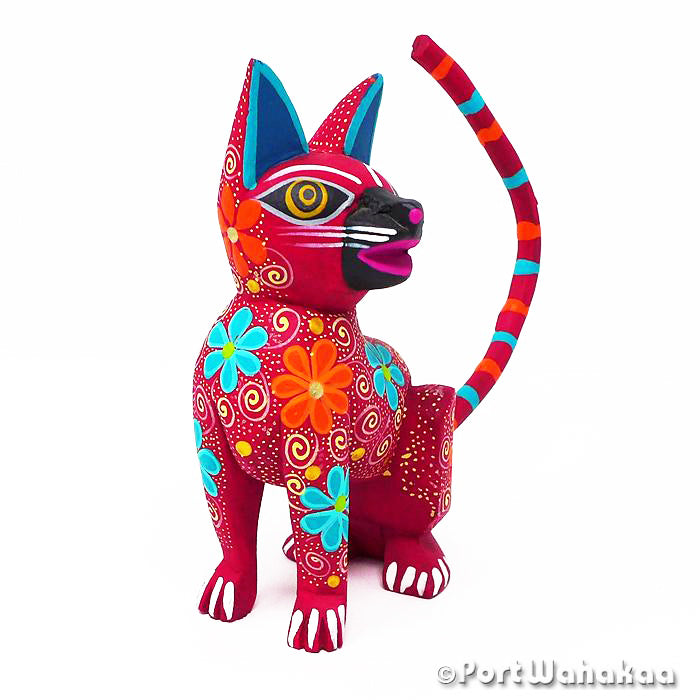
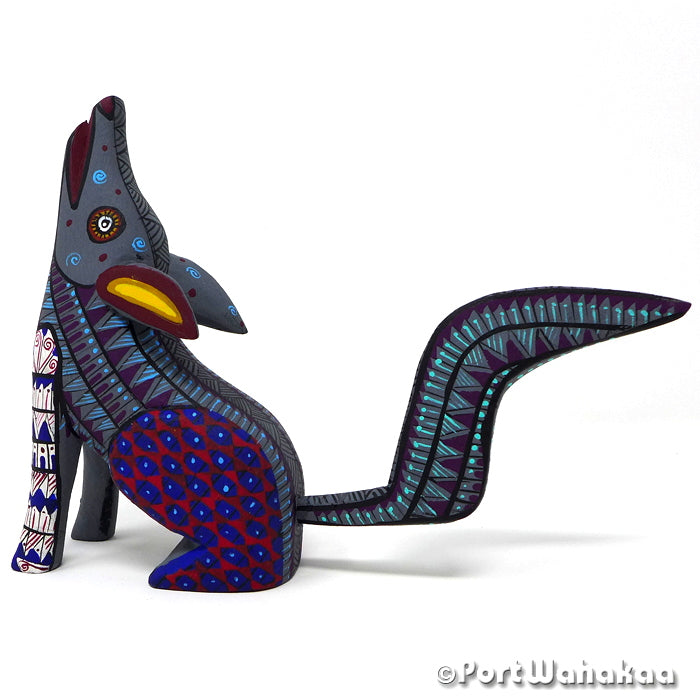
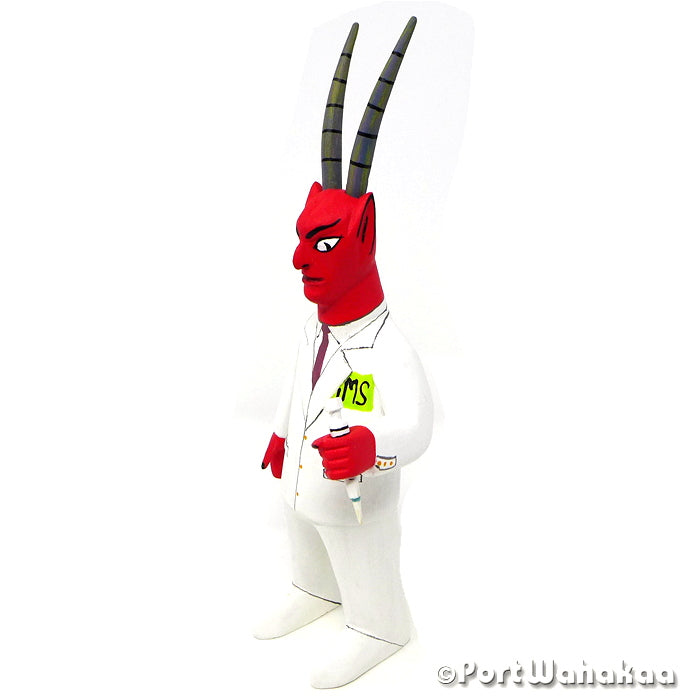
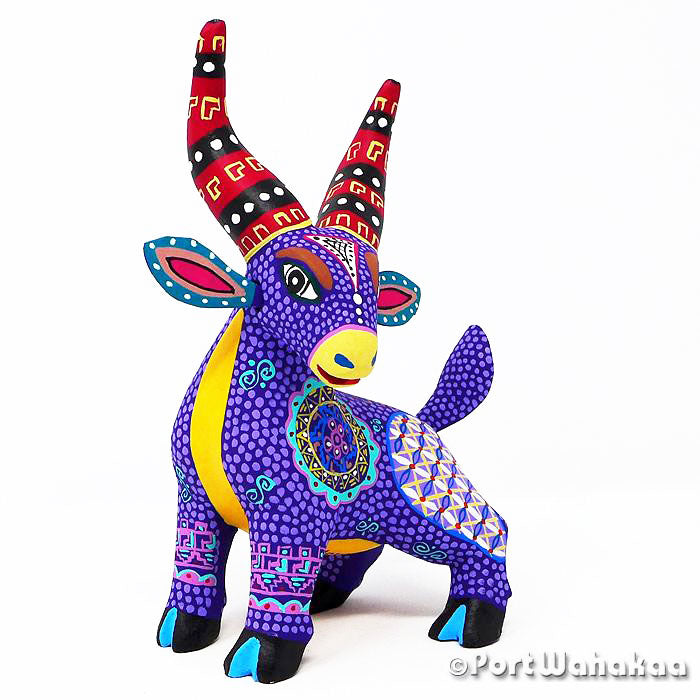
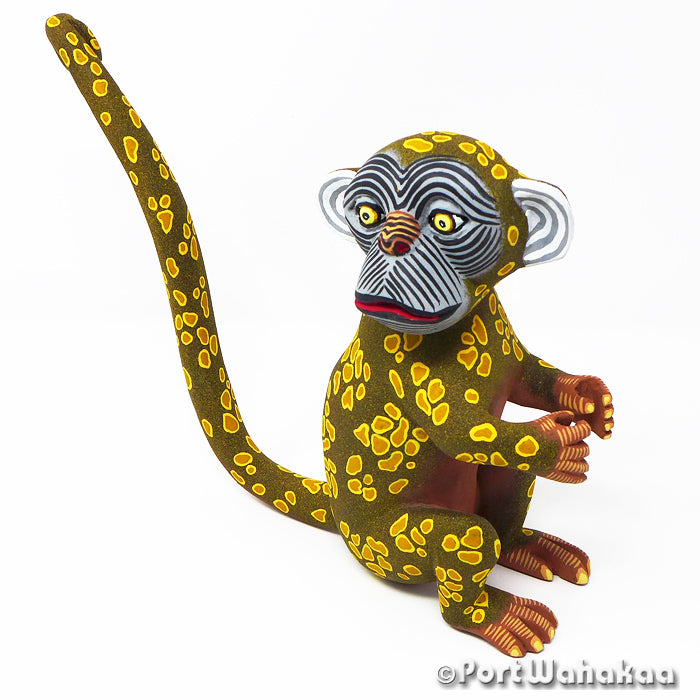
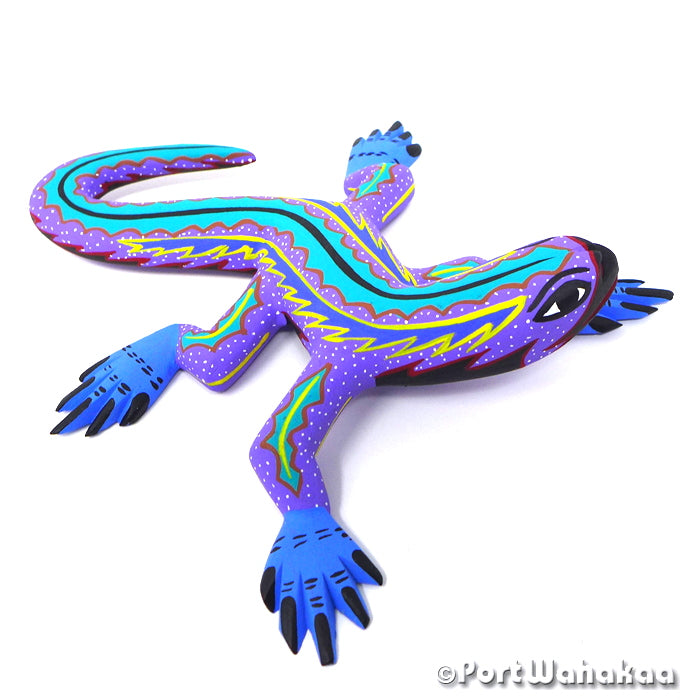
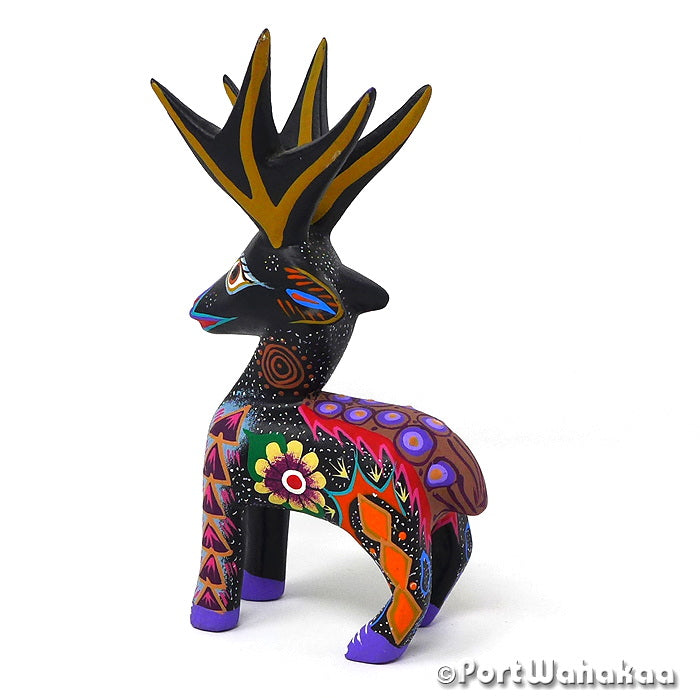
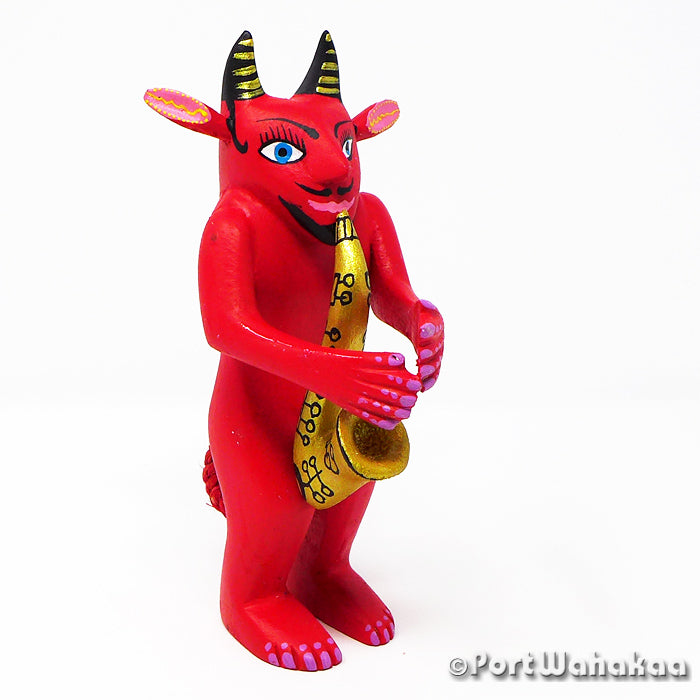
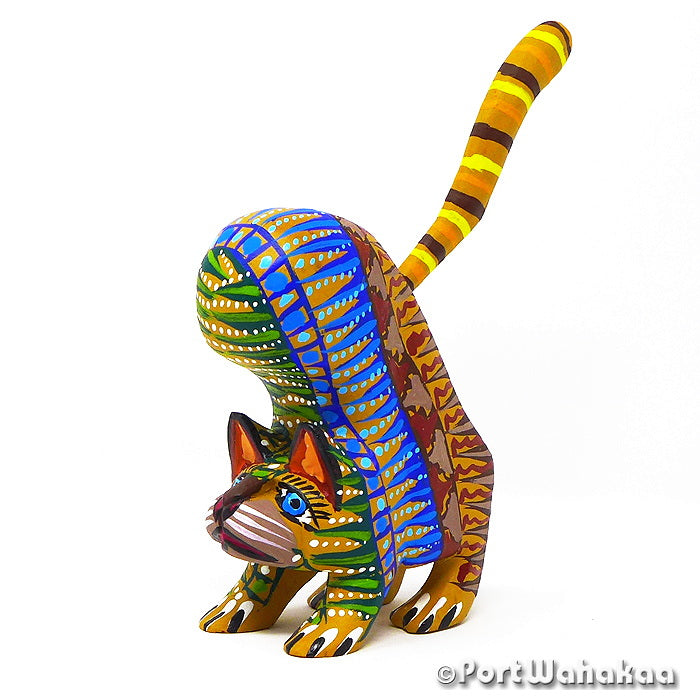
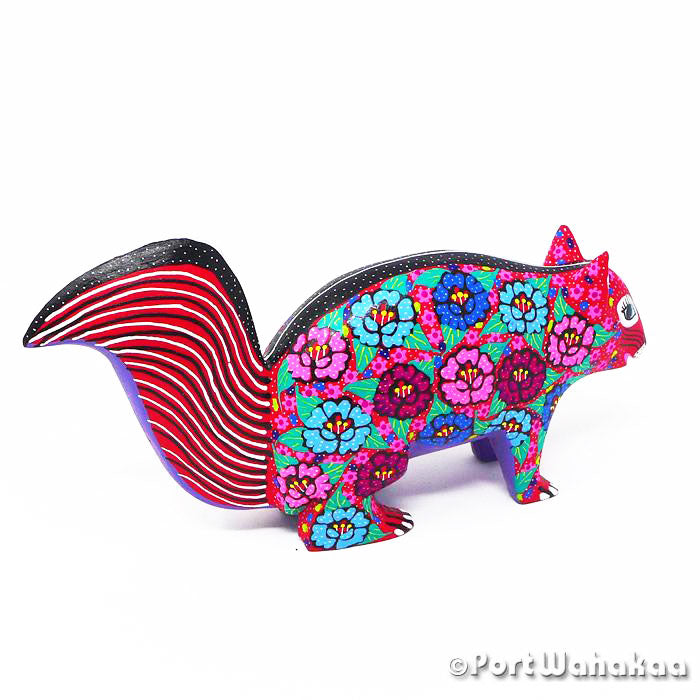
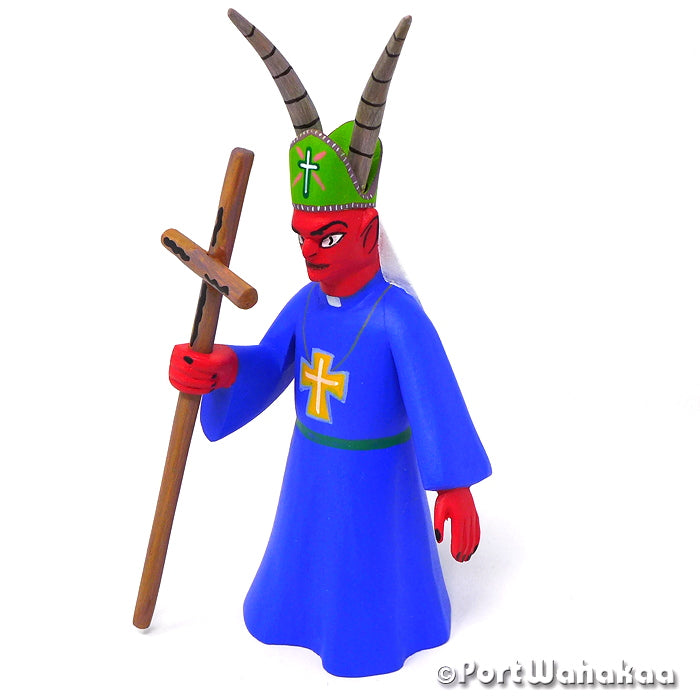
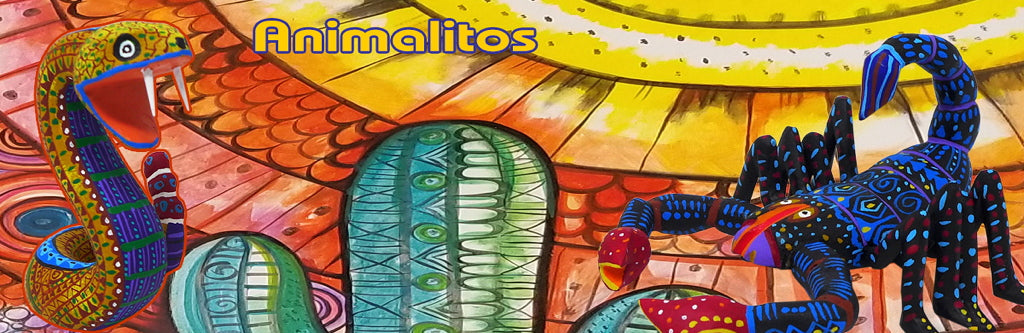
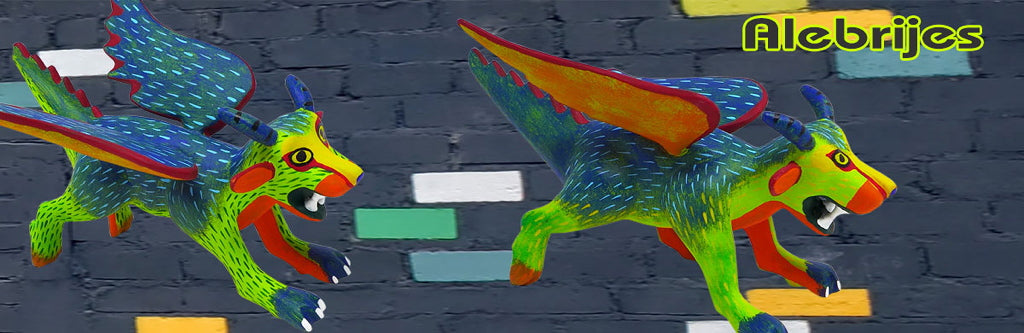
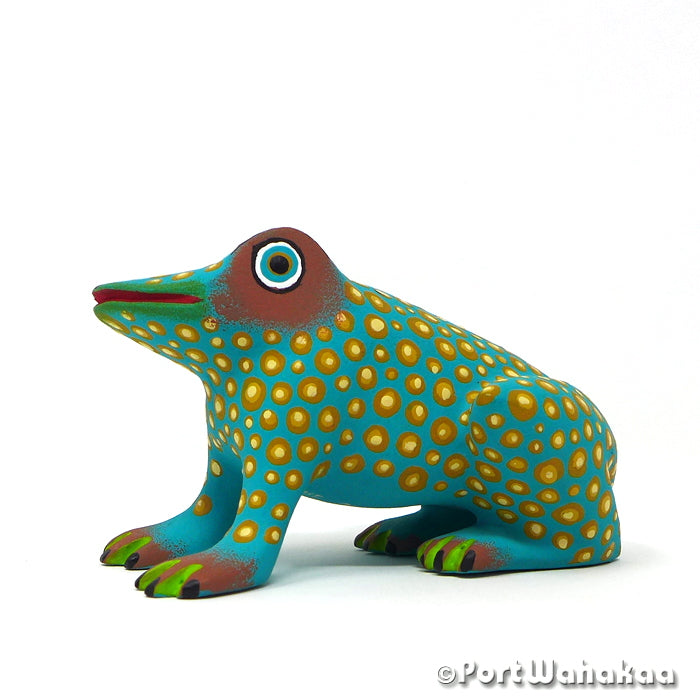
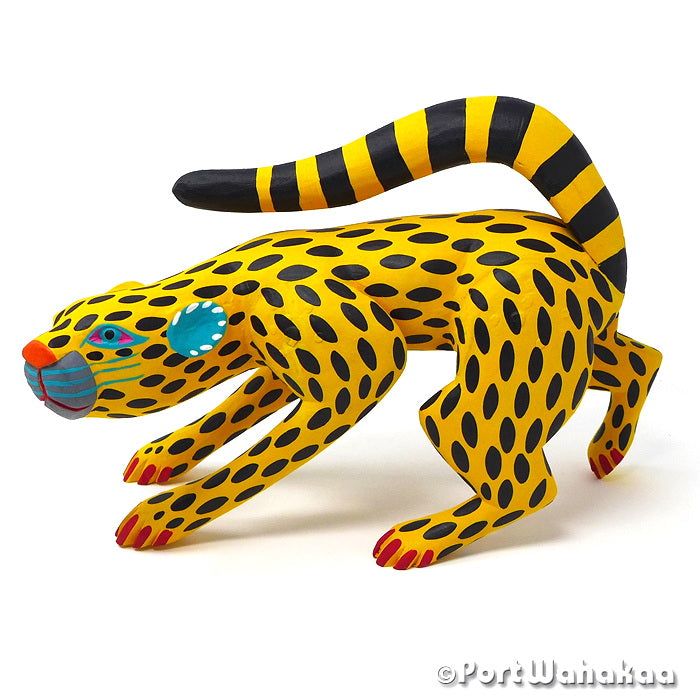
In this mass of branches can you see a frog, a rabbit, an iguana, a devil, or maybe a giraffe? There are some who can pick out these shapes tangled in the trees and bring them to life. In the early morning hours the copal usually arrives by way of a heavily burdened burro. The woodcarvers prize this particular type of wood for it's pliability and gnarled form. Similar to jade tree in appearance, copal wood sands to a smooth porcelain finish. Fresh pieces have an aromatic smell unlike copala which has little or no smell. They are two of sixty species of the Bursera tree found in Mexico. When dried this wood become light and flexibly strong. Characterized as a soft wood the tree thrives in higher elevations and is an aggressive grower. Copal branches can be very fragrant depending on the time of year they are pruned. Before wood carving became popular, copal tree resin was primarily used to make incense and it's berries were a common cure for acne. The incense was regarded as a seeing instrument for the Mayans and considered a form of protection against sorcery, illness, and misfortune. The incense still burns in many Mexican churches today for the purpose of making the body ritually clean. The dried resin, when burned, projects an odor similar to frankincense but with a lighter, citrus tone. The qualities and themes inherent in copal resin transmit to the carvings themselves. Monsterous figurines like alebrijes or nahuals are used to scare off evil spirits or stifle the effects of sorcery. Animalitos such as frogs, dogs, and cats are seen as good luck companions. But most of all they artfully personify the natural twists and curves of the branches themselves. |
|
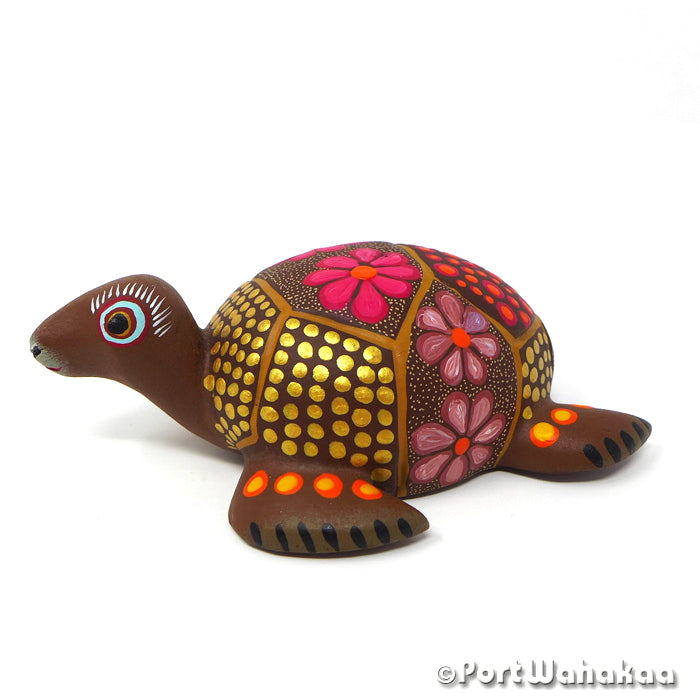
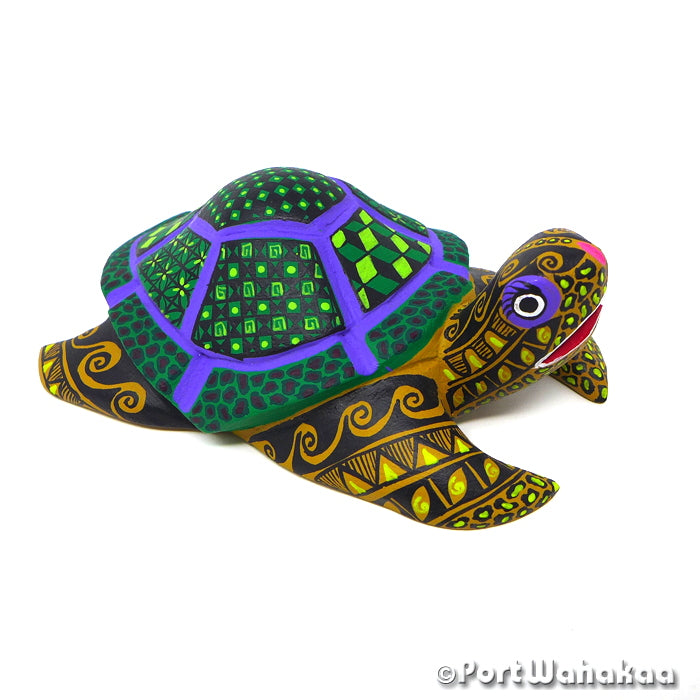
Originally, Oaxacan carvings were very big and bulky but the work rapidly evolved into streamlined dynamic forms. Master carvers can now sculpt an entire creature from one piece of wood. Different parts of the branches make for different animals in the eyes of the artist. A fat knob may be used to make a turtle while a wispy branch transforms into a lizard. The endless tangled maze of branches are a constant form of invention and inspiration, nothing is ever wasted. Although the copal tree is greatly valued it isn't the only wood the carvers use. Grapefruit, pine, and cedar are also used. Some of the wealthier established artists import other exotic woods. |
![]() |
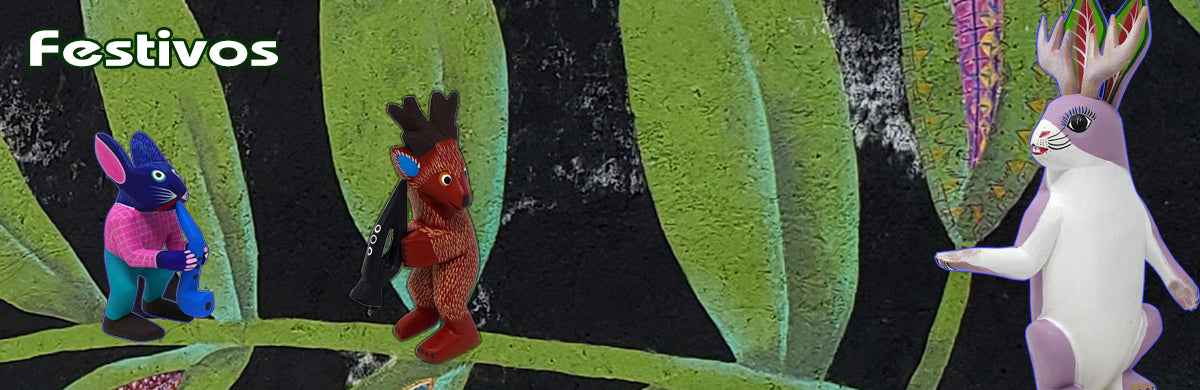
The artist spends a great deal of their time chiseling the form when the wood is wet. Working from large machetes on down to small kitchen knives the animalito methodically takes it's delicate shape. Equally important is the sanding. It is here the master artist can bring out the personality and the character of their creation. As the wood continues to dry, cracks are sanded out and sealed. Arms and appendages are carefully nailed on unless it is a single piece carving. Single piece carvings are usually smaller and more "organic" in appearance. Some of the choicest master works actually fit in the palm of your hand and are carved from a single piece of wood. The artist on the right is the legendary Don Manuel Jimenez. His talents brought this unique art form to the world. His early inventions were the impetus for many artists to carve whimsical animals seen in the every day surroundings of simple village life. However, other types of woodcarving such as religious figurines, sophisticated wooden toys, and festivos have their origins in other Oaxacan villages.. |
![]() |
| Copal Tree| Village Styles| Myth & Nature| Vault| Sales Gallery| Rough Guide| Collectors |
| | Oaxacanwoodcarving.com Main | |